

عالمی بروکر ریگولیشن چیک کرنے والا ایپ
WikiFX
اردو
简体中文
繁體中文
English
Pусский
日本語
ภาษาไทย
Tiếng Việt
Bahasa Indonesia
Español
हिन्दी
Filippiiniläinen
Français
Deutsch
Português
Türkçe
한국어
العربية
اردو


U.S.-Iran Tensions Take a Dramatic Turn as Trump Calls Off Planned Military Strike


خلاصہ۔:【Figure 1: U.S. FOMC Illustration】After escalating rapidly, tensions between the United States and Iran took a dramatic turn. On August 1, U.S. President Donald Trump announced on social media that Ir
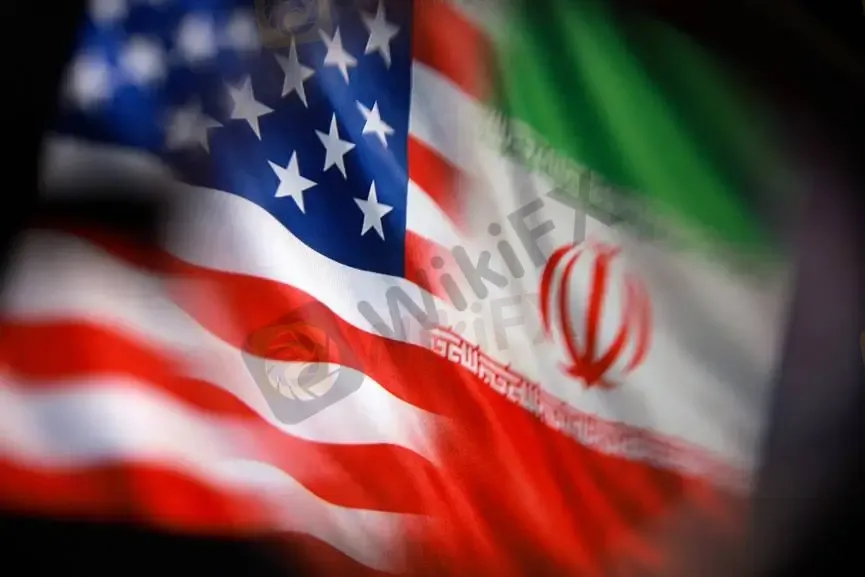
【Figure 1: U.S. FOMC Illustration】
After escalating rapidly, tensions between the United States and Iran took a dramatic turn. On August 1, U.S. President Donald Trump announced on social media that Iran, along with several Middle Eastern countries, had requested that the United States postpone its planned military action. In response, he agreed to cancel the strike.
Trump stated that the parties had reached a preliminary framework agreement that includes the immediate, full, and unrestricted reopening of the Strait of Hormuz while addressing Iran's nuclear threat. According to Trump, the decision to cancel the military operation was contingent upon all parties moving swiftly to finalize the agreement, adding that Israel had also committed to this course of action.
However, only hours after Trump's announcement, Iranian officials publicly rejected his claims. On August 2, Iran's Mehr News Agency quoted a senior military official describing Trump's statement that Iran had requested a halt to military operations as “another lie.” The official emphasized that Iranian forces remain on the highest level of alert and are fully prepared for any scenario, regardless of whether the United States escalates or de-escalates the situation. Should military confrontation become unavoidable, he stated, the battlefield would determine the outcome.
Prior to Trump's announcement, the regional security environment had deteriorated sharply. The U.S. State Department issued a broad security advisory urging American citizens across the region to consider departing. Kuwait reported an Iranian drone attack, while Tehran warned that it had prepared retaliatory plans targeting critical Israeli infrastructure and U.S. energy facilities throughout the Middle East.
Saudi Crown Prince Mohammed bin Salman reportedly spoke directly with President Trump, expressing concern over a potential U.S. strike on Iran and urging restraint. Meanwhile, Qatar, the United Arab Emirates, Türkiye, and Pakistan continued diplomatic efforts aimed at preventing further escalation.
Earlier, Iran had signaled that it had developed a comprehensive retaliation strategy targeting key Israeli infrastructure as well as major U.S.-linked energy assets across the region. Market participants closely monitored critical energy facilities, including Saudi Arabia's Ghawar Oil Field and Abqaiq processing facility, the UAE's Zakum Oil Field, and Qatar's Ras Laffan LNG complex. Any renewed military escalation could place these strategic assets at risk, potentially disrupting global crude oil and natural gas supplies.
Trump's decision to suspend the planned strike has provided a temporary signal of de-escalation, with mediation efforts led by Saudi Arabia and other regional players appearing to play a significant role. Nevertheless, Iran's firm rejection of Trump's account underscores the fragile level of mutual trust between the two sides, leaving considerable uncertainty over whether any proposed agreement can ultimately be implemented. The reopening of the Strait of Hormuz and the resolution of Iran's nuclear program remain the key unresolved issues.
In the near term, oil price volatility will likely remain highly sensitive to the progress of diplomatic negotiations and the actual status of maritime traffic through the Strait of Hormuz. Over the longer term, lasting stability in the region will depend on whether both sides can reach an enforceable agreement while ensuring the security of critical energy infrastructure. For now, diplomacy and military preparedness continue to coexist, leaving global energy markets in a heightened state of uncertainty. Investors should closely monitor further geopolitical developments.
Risk Disclaimer:
The opinions, analysis, research, prices, and other information provided above are intended solely as general market commentary and do not represent the official position of this platform. Readers are solely responsible for their own investment decisions and assume all associated risks. Please trade prudently.
ڈس کلیمر:
یہ مضمون صرف مصنف کی ذاتی رائے پر مبنی ہے، یہ پلیٹ فارم کی سرمایہ کاری کی مشورہ نہیں ہے۔ پلیٹ فارم مضمون کی معلومات کی درستگی، مکملیت اور بروقت ہونے کی کوئی ضمانت نہیں دیتا، اور مضمون کی معلومات پر اعتماد یا استعمال سے ہونے والے کسی بھی نقصان کی ذمہ داری قبول نہیں کرتا۔
