


Vietnam Becomes New Base for Cross Border Scam Syndicates After Cambodia Crackdown
Cross border scam syndicates are constantly adapting to evade law enforcement by moving from Cambodia to Vietnam.
Original

简体中文
繁體中文
English
Pусский
日本語
ภาษาไทย
Tiếng Việt
Bahasa Indonesia
Español
हिन्दी
Filippiiniläinen
Français
Deutsch
Português
Türkçe
한국어
العربية
اردو




Abstract:Bitcoin, Ethereum, and the other cryptocurrencies are soaring again, and so are the scams! As fraudsters rush to exploit the renewed hype, Malaysian investors face growing risks. This article outlines the most common investment scams associated with cryptocurrency in Malaysia. Make sure to read it thoroughly to protect yourself.
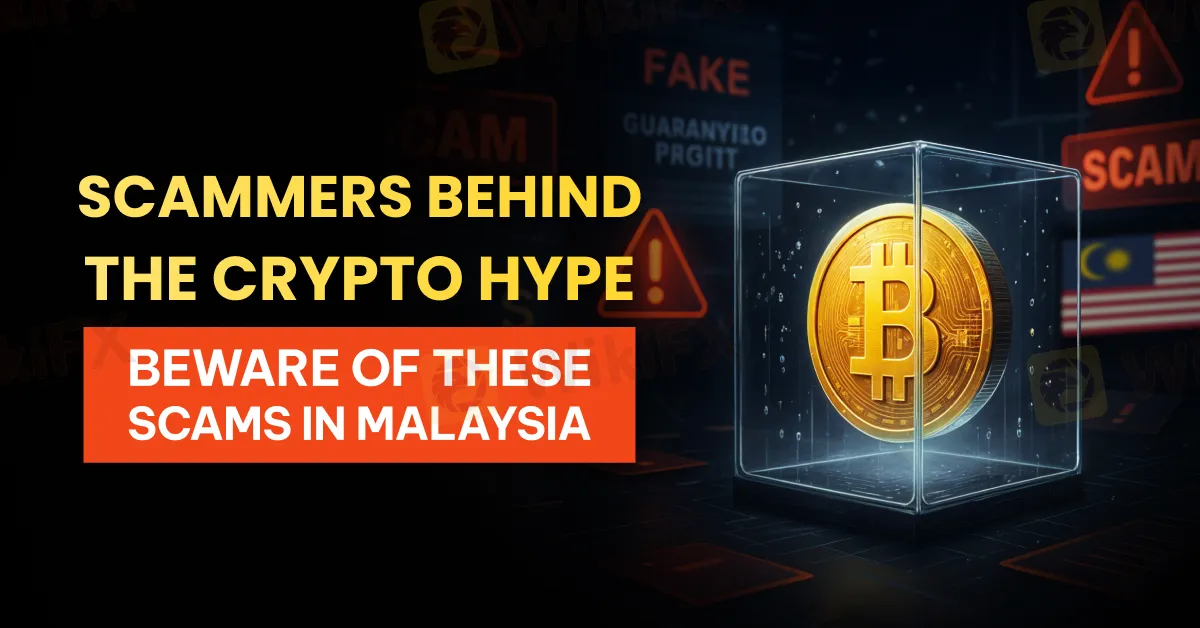
The surge in Bitcoin and Ethereum prices has reignited global interest in cryptocurrencies. However, as the spotlight on digital assets brightens, so too does the activity of fraudsters eager to capitalise on the hype. Malaysia, like many other countries, has witnessed a sharp rise in crypto-related scams targeting both seasoned investors and newcomers alike.
Cryptocurrency has long been associated with dubious schemes. While digital assets promise innovation and financial opportunity, they have also provided fertile ground for Ponzi schemes, impersonation fraud, and pump-and-dump operations. In Malaysia, these scams have taken on familiar yet increasingly sophisticated forms.
 Contents
One of the most common tactics involves phishing, where unsuspecting users receive fraudulent emails or messages that appear to be official communications from banks or cryptocurrency exchanges. These often contain links leading to fake websites that mimic legitimate platforms. Victims who enter their login credentials or private keys unknowingly hand control of their wallets to scammers.
Security experts emphasise the importance of vigilance. Users are urged to verify website URLs, avoid clicking suspicious links, and enable two-factor authentication to secure their accounts.
Ponzi schemes remain a recurring problem in Malaysia. These operations typically lure participants with the promise of extraordinarily high returns on minimal investments. Early investors may receive payouts, but these funds are often drawn from the contributions of newer participants. When recruitment slows, the scheme collapses, leaving many with heavy losses.
Such schemes frequently resurface during market upswings. In past bull runs, promoters capitalised on public enthusiasm for Bitcoin, presenting it as a quick path to wealth. The lesson, financial analysts warn, is simple: if returns sound too good to be true, they usually are.
Scammers also exploit social medias anonymity. Fake accounts impersonating well-known traders, influencers, or even celebrities often promise giveaways that require users to send cryptocurrency to a wallet in exchange for inflated returns. These schemes continue to deceive unsuspecting followers, despite being relatively easy to identify through inconsistencies in account details.
Telegram has become a notorious hub for coordinated “pump-and-dump” operations. These groups encourage members to pool funds, buying up little-known altcoins to artificially inflate prices before selling en masse. While not always illegal, these schemes can devastate retail investors and destabilise already fragile markets.
The real danger lies in the lack of accountability. Group administrators may vanish overnight, taking participants deposits with them. Analysts caution investors to avoid groups promising quick profits and to remain wary of thinly traded cryptocurrencies vulnerable to manipulation.
Facebook remains another breeding ground for scams. Public groups, often unmoderated or operated by scammers, are filled with posts advertising risk-free investments, guaranteed monthly returns, or “exclusive” opportunities. Others direct users to so-called faucet sites claiming to give away free cryptocurrency, which more often than not serve as fronts for data theft or small-scale fraud.
Investors are reminded of a fundamental principle: in financial markets, there is no such thing as free money. Genuine investment success requires careful research, patience, and discipline.
As incidents like this become increasingly common, tools such as WikiFX can play a vital role in helping individuals verify the legitimacy of brokers and financial platforms. WikiFX offers an extensive database of global broker profiles, regulatory status updates, and user reviews, enabling users to make informed decisions before committing to any financial investment. Its risk ratings and alerts for unlicensed or suspicious entities help investors easily spot red flags and avoid potential scams. By using tools like WikiFX to research a brokers background, individuals can safeguard their hard-earned savings and reduce the risk of falling victim to fraudulent scams.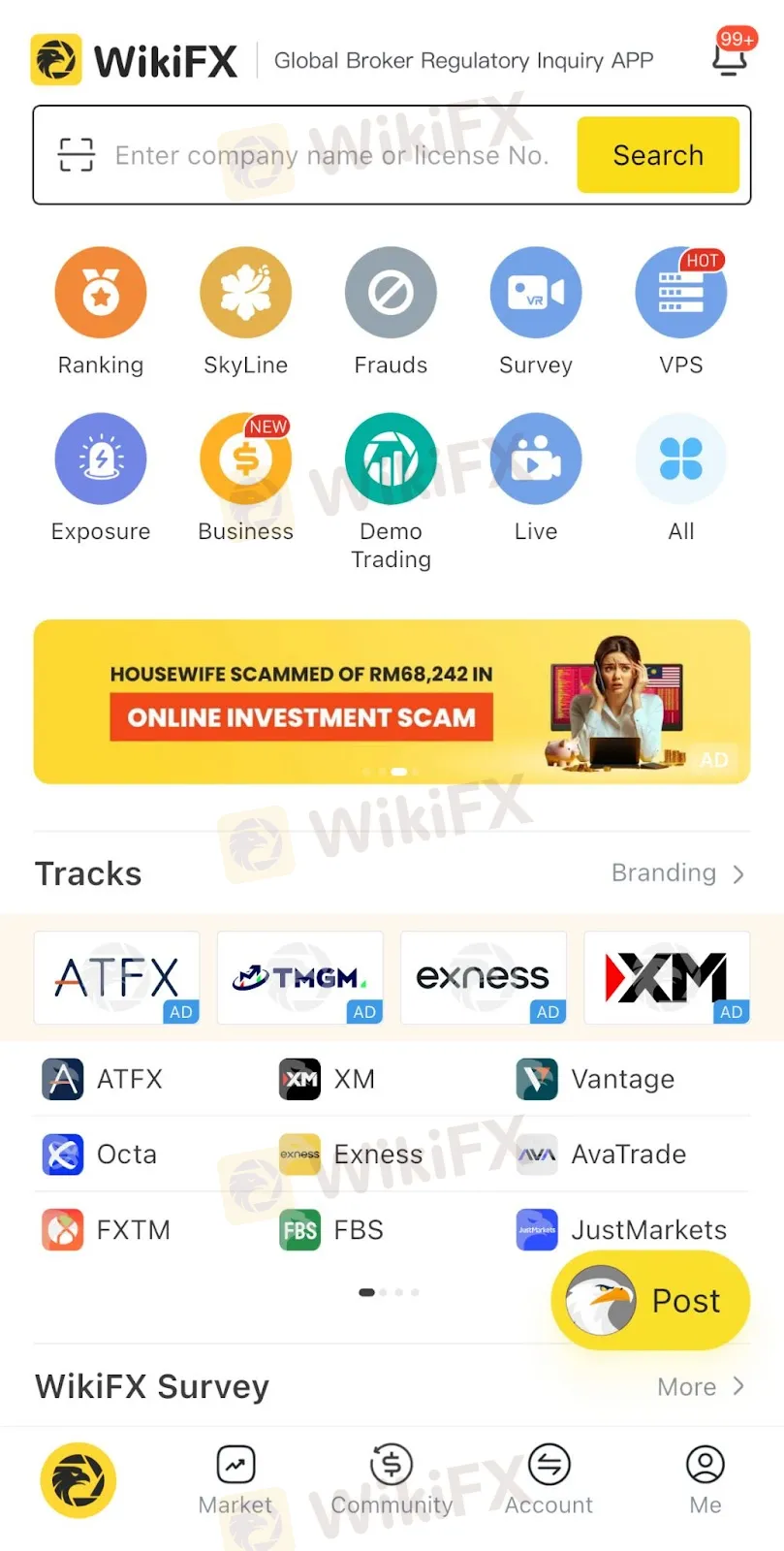

Disclaimer:
The views in this article only represent the author's personal views, and do not constitute investment advice on this platform. This platform does not guarantee the accuracy, completeness and timeliness of the information in the article, and will not be liable for any loss caused by the use of or reliance on the information in the article.

Cross border scam syndicates are constantly adapting to evade law enforcement by moving from Cambodia to Vietnam.
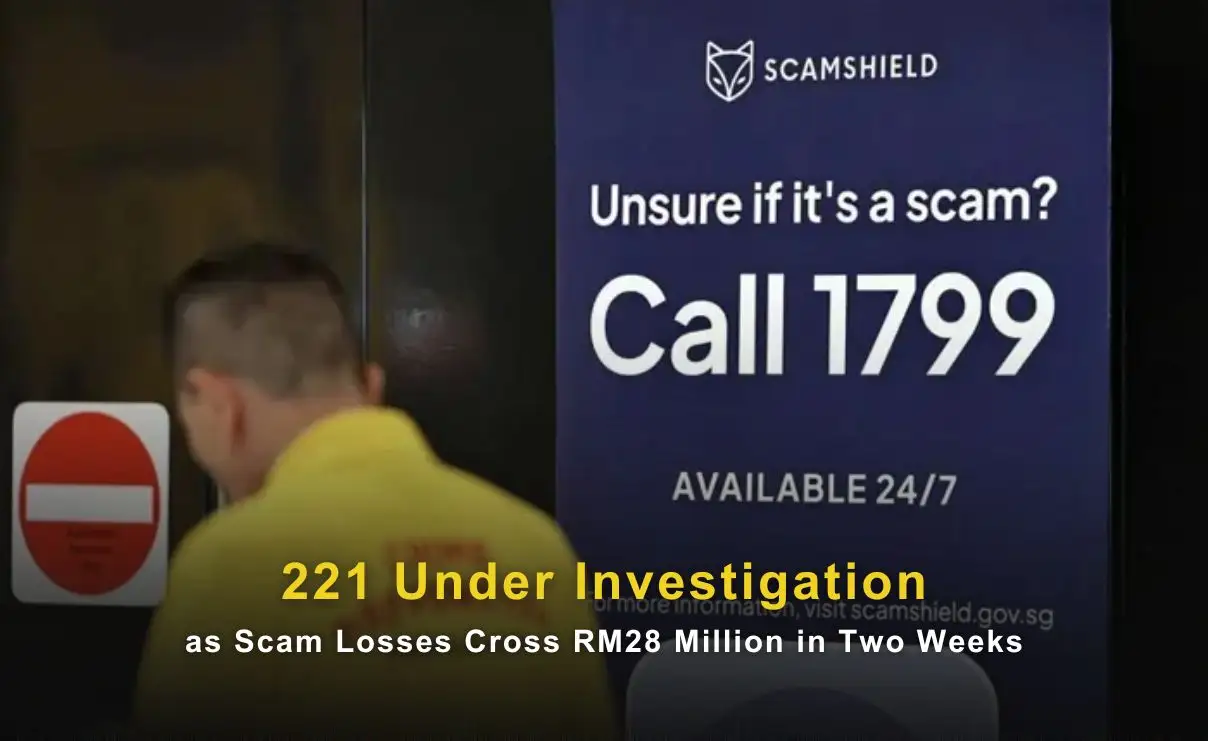
Singapore authorities have concluded a major anti-scam enforcement operation that resulted in 221 individuals being placed under investigation for their alleged roles in a wide range of fraudulent schemes.

He Claimed Elite Connections. She Ended Up Losing Millions and Her Dream Car
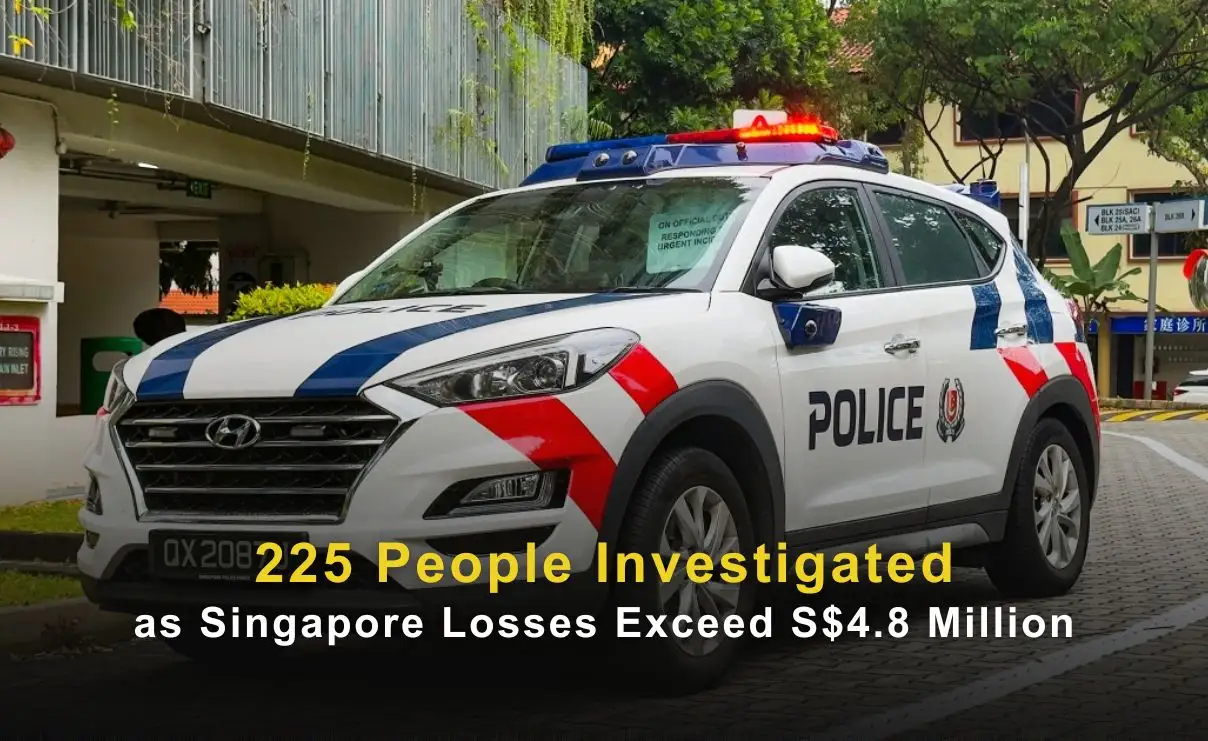
Singapore police are investigating 225 individuals linked to over 564 cases with losses exceeding S$4.8 million, including investment-related cases. Investors are urged to verify brokers and platforms through tools such as the WikiFX App before depositing funds.
WikiFXWikiFXWikiFXWikiFXWikiFXWikiFXWikiFXWikiFXWikiFXWikiFX