Abstract:BG Wealth Sharing’s domain was seized by US law enforcement after alleged crypto losses exceeding US$150 million, with investigators freezing over US$41 million linked to suspicious fund movements.

BG Wealth Sharing, a cryptocurrency investment group suspected of operating a large scale Ponzi scheme worth more than US$150 million, has had its website domain seized by United States law enforcement following allegations that the platform abruptly shut down and left investors unable to access their funds.
The case has drawn significant attention across the crypto community after onchain investigator ZachXBT revealed that individuals linked to the platform allegedly attempted to launder more than US$92 million in cryptocurrency between April 27 and the beginning of this week. Working together with Tether, Binance, OKX and US authorities, investigators reportedly managed to freeze more than US$41 million connected to the operation.
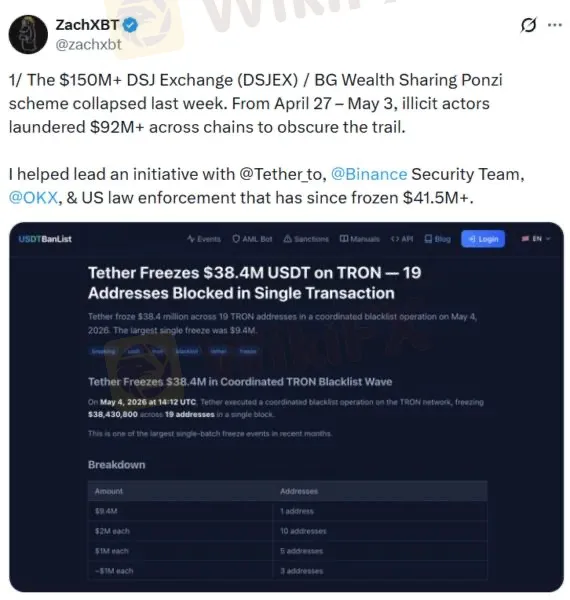
According to ZachXBT, the actual losses linked to BG Wealth Sharing could be substantially higher than current estimates because the operation had reportedly been active since 2025 and involved thousands of investor withdrawals from cryptocurrency exchanges. He also noted that the scheme appeared to target inexperienced retail investors primarily through aggressive social media promotion and online investment communities.
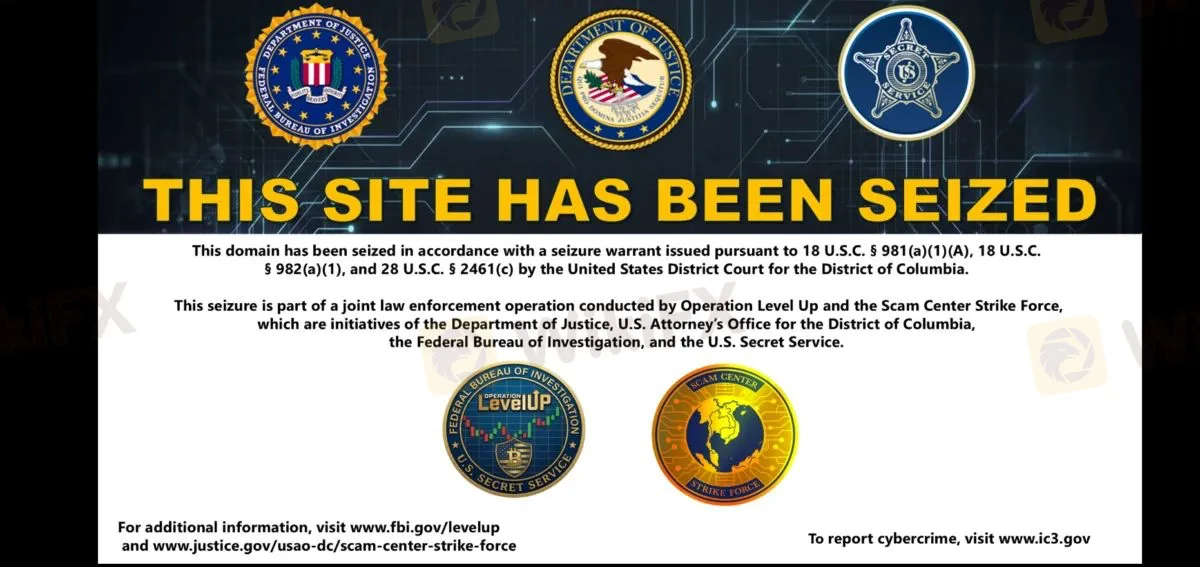
As of Wednesday, visitors attempting to access the BG Wealth Sharing website were met with a seizure notice issued by US law enforcement agencies. The operation was reportedly conducted jointly under Operation Level Up and the Scam Center Strike Force, signalling growing international cooperation against large scale online investment crimes involving digital assets.
Regulators in several jurisdictions had already raised concerns about BG Wealth Sharing before the platform collapsed. Earlier this year, the Central Bank of Samoa publicly warned that the company was operating without proper licensing and advised investors to avoid participating in its investment programmes.
The platform marketed itself as a cryptocurrency trading education and investment group, promising users daily profit opportunities, referral commissions, leadership bonuses and daily returns ranging between 1.3% and 2.6%. These unusually high and consistent return promises were heavily promoted through social media channels to attract new participants.
Shortly before the platform went offline, a man identified as the companys chief executive, Stephen Beard, reportedly informed users through a video message that its affiliated DSJ Exchange was preparing for an initial public offering. Investors were told they needed to pay a 12% tax on their account balances as part of a supposed regulatory requirement before withdrawals could be processed.
Within days, users began posting warnings online claiming that withdrawals were no longer functioning and that the platform was collapsing. The Washington State Department of Financial Institutions later issued a public warning after receiving complaints from investors who were unable to retrieve their funds.
Authorities stressed that any investment platform demanding additional external payments before allowing withdrawals should be treated as a major warning sign. In many online investment cases, such requests are used to pressure victims into sending even more money after they are already financially committed.
The incident highlights the growing risks surrounding unregulated cryptocurrency investment platforms, especially those promoted through social media using promises of stable high returns and referral based reward systems. As digital asset investing continues gaining popularity globally, financial authorities are urging investors to verify licences, research platforms carefully and remain cautious of offers that appear too good to be true.